
eDNA Applications
Why It Works and Who It’s For
Non-invasive eDNA monitoring for conservation, species at risk, invasive species, and biodiversity baselines — trusted, comparable data at every scale.
Knowing exactly what lives within a habitat forms the foundation of effective environmental stewardship. By translating hidden biological markers into clear, actionable metrics, we empower researchers, resource managers, and communities to make confident decisions about the dynamic landscapes they oversee.
Why eDNA?
Detecting Species Across the Tree of Life
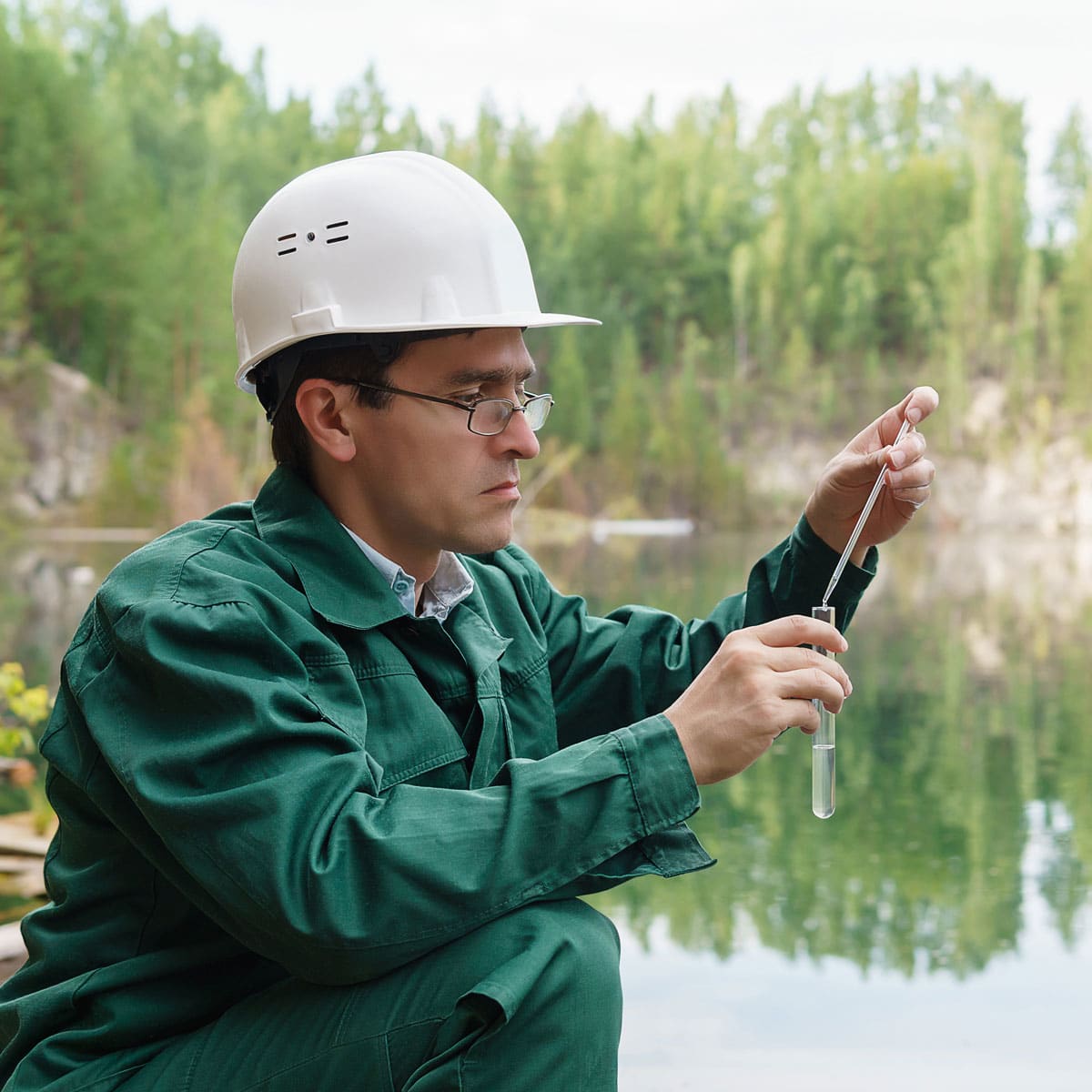
Traditional field surveys can be resource-intensive and are often limited by what observers can physically see or trap. Environmental DNA (eDNA) provides a modern alternative that overcomes these historical challenges. By analyzing genetic material naturally shed into the environment, eDNA offers a highly accurate, scalable, and non-disruptive method for comprehensive biodiversity monitoring.
- Captures Broad Biodiversity: VeriSeq Core panels use overlapping markers to target a wide range of taxa, significantly reducing missed detections across your entire ecosystem.
- Reduces Time and Cost: Eliminate the need to physically locate or trap organisms. A single environmental sample reveals what is present, streamlining your field surveys.
- Delivers Objective Profiles: Generate a comprehensive species inventory for your monitored ecosystem that is firmly grounded in concrete genetic evidence rather than visual observations.
- Leaves Habitats Undisturbed: Utilize a completely non-invasive sampling method that gathers crucial biological data without stressing sensitive species or disrupting the surrounding environment.
- Ensures Long-Term Consistency: Start with a standardized foundation so future results remain directly comparable. Seamlessly add new modules as your monitoring needs continuously evolve.
OCEANS
FRESHWATER
TERRESTRIAL
Advanced eDNA Metabarcoding
Real-World Applications for Data-Driven Environmental Decisions
Whether you are protecting vulnerable habitats or managing industrial compliance, accurate biological data is your most critical tool. Explore how researchers, resource managers, and project developers apply our technology across four key areas of focus.
Conservation + Stewardship
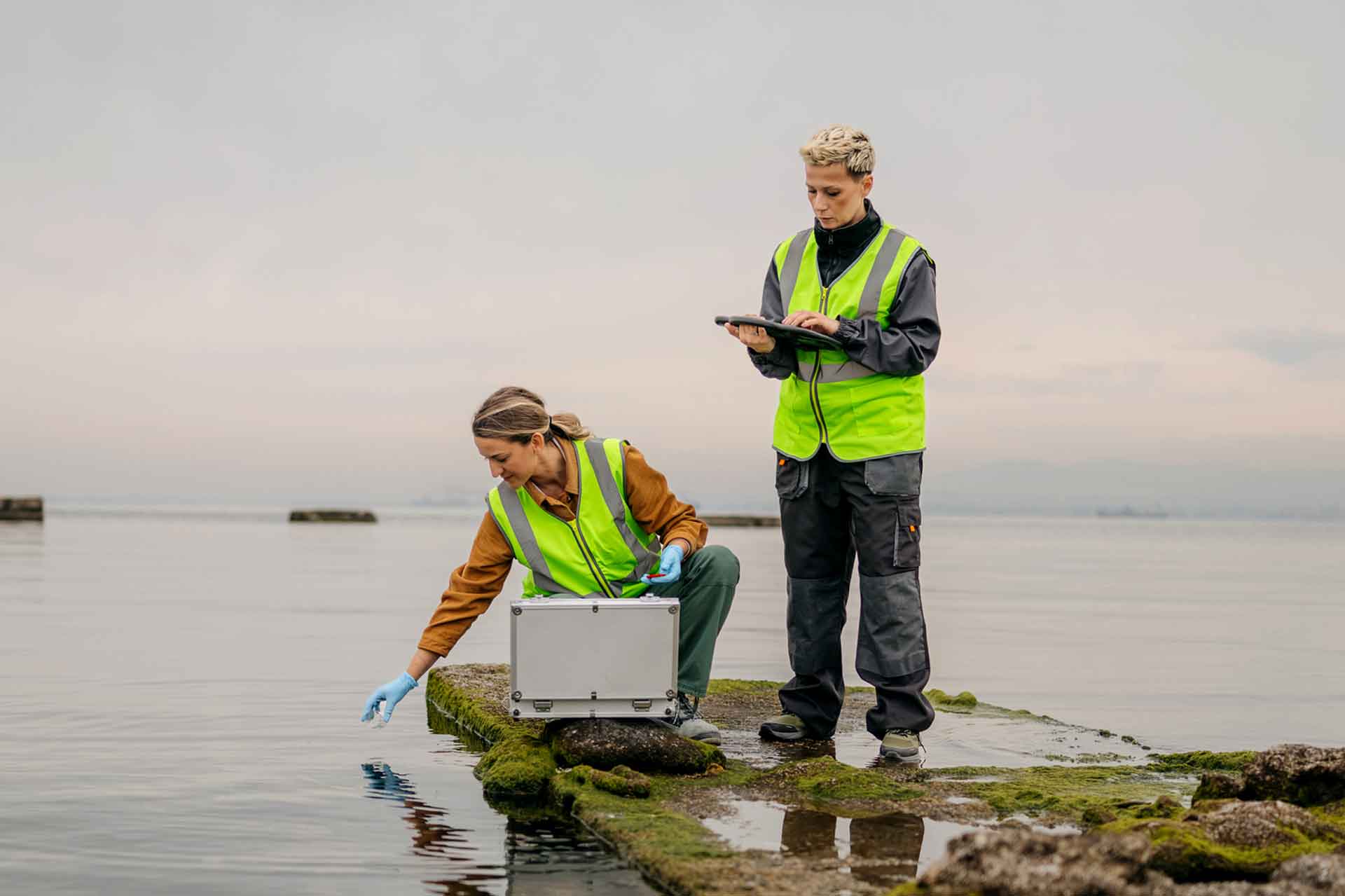
From watershed health to species recovery, VeriSeq provides critical biodiversity data to inform management decisions for First Nations, eNGOs, and government monitoring programs. Our OCAP®-aligned data policies directly support and empower First Nations Stewardship Programs.

Species-at-Risk Monitoring
Track rare, cryptic, and threatened species without disruptive physical trapping. This vital data feeds directly into Environmental Impact Assessments and long-term conservation programs. Our rigorous laboratory workflow and high replication maximize your probability of detection.
Invasive Species Detection
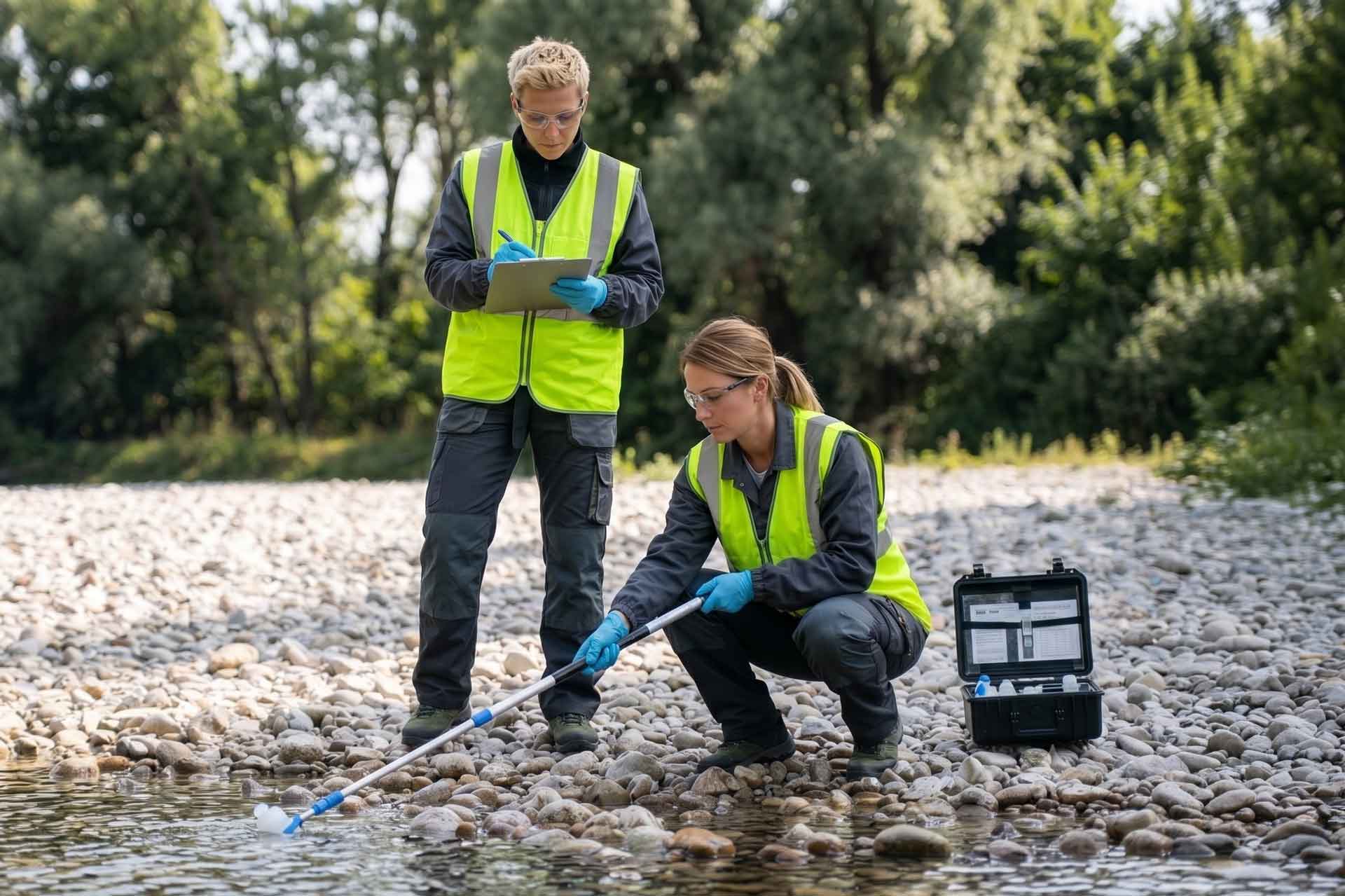
Our standardized workflow features deep sequencing designed to catch the low-abundance genetic signals of newly arriving aquatic species. This gives regulators and resource managers the definitive early data needed to support a timely, effective response.
Biodiversity
Baseline
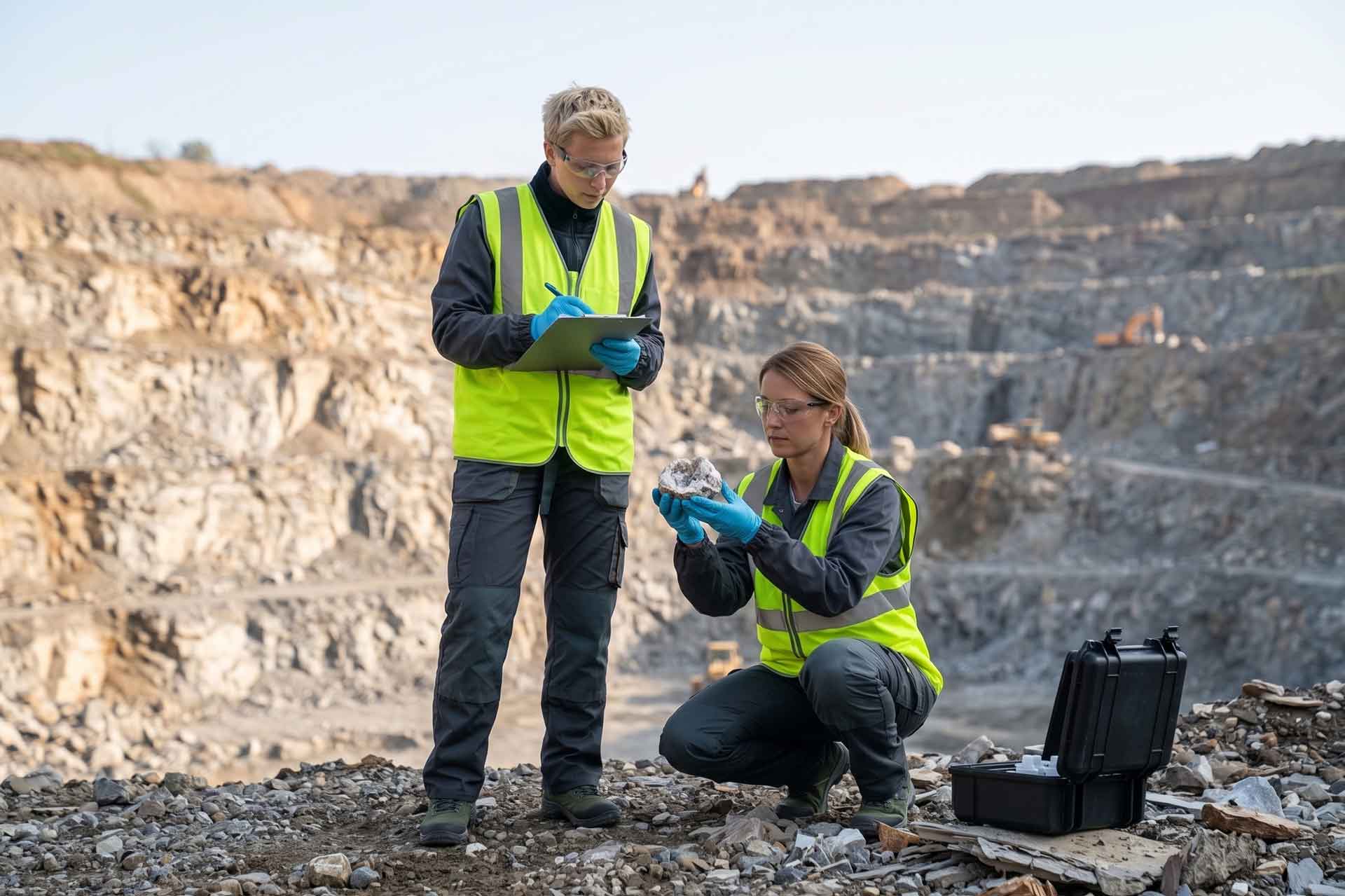
Establish a comprehensive biological inventory before your next project breaks ground. We actively and accurately document the exact species present, ensuring that any future environmental changes can be reliably assessed against real baseline data [in pre-development].
How is DNA Monitoring for You?
See how eDNA monitoring can turn hidden biological signals into clear, actionable insight for research, resource management, and environmental decision-making across diverse habitats.
or call 1-250-327-2742
